Clear Roofing Decisions for Property Managers and Association Boards
A Practical Roof and Exterior Assessment, not a Replacement Assumption
Liberty Restoration Group works with Chicagoland condo associations, townhome communities, multifamily HOAs, and the property managers responsible for their shared roofing and exteriors. When a roof issue surfaces, the first step is an on-site inspection and a documented set of priorities the board can evaluate before determining the appropriate project scope.


What We Bring to an Association Roofing Project
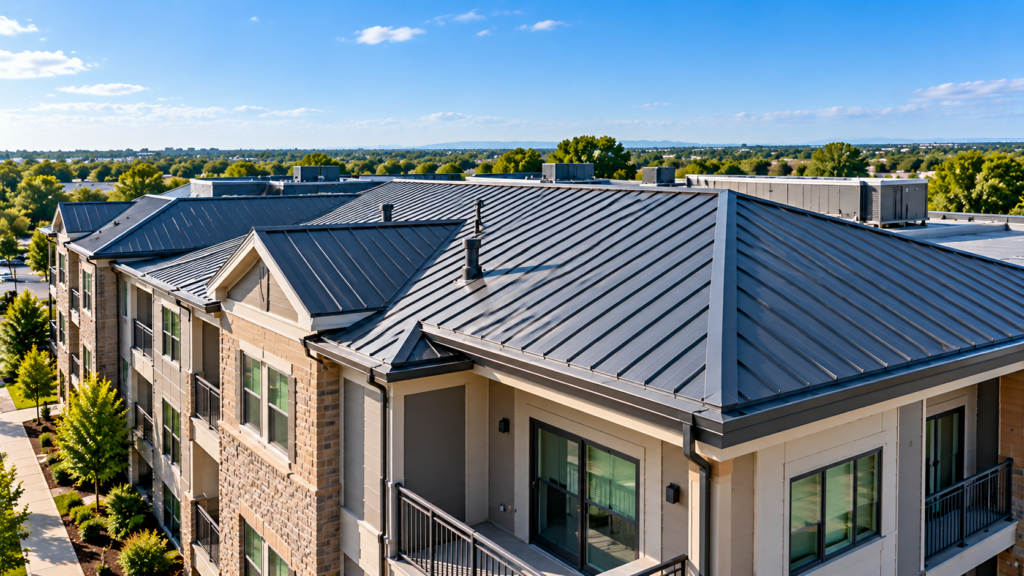
Association roofing projects require more coordination than simply identifying a damaged roof section and putting a crew on site. Liberty considers the property’s roofing systems, architectural requirements, building access, resident activity, and the way work will affect the community as a whole.
- Materials: Cedar shake, composite shake, and DaVinci and other premium composite roofing systems, alongside standard asphalt, giving associations options that can account for both existing architectural character and the proposed project scope.
- Coordination: One point of contact from the first walkthrough through the completed project helps keep communication organized between Liberty, property management, and the association.
- Property fit: Condo associations, townhome communities, multifamily HOAs, and multi-building properties can require different approaches to access, scheduling, staging, and construction sequencing.
- Documentation: A written assessment report gives the board a documented record of observed conditions that management can review internally or forward to a reserve-study consultant when appropriate.
What Your Assessment Report Includes
The assessment is designed to give management and the board a practical picture of the property’s observed roofing and exterior conditions before a larger construction decision is made.
- Executive summary
- Property and building overview
- Photo documentation
- Priority classification: immediate, plan, or monitor
- Repair versus larger-project considerations
- Recommended next steps
Why a Roof Issue Becomes a Management Problem Fast
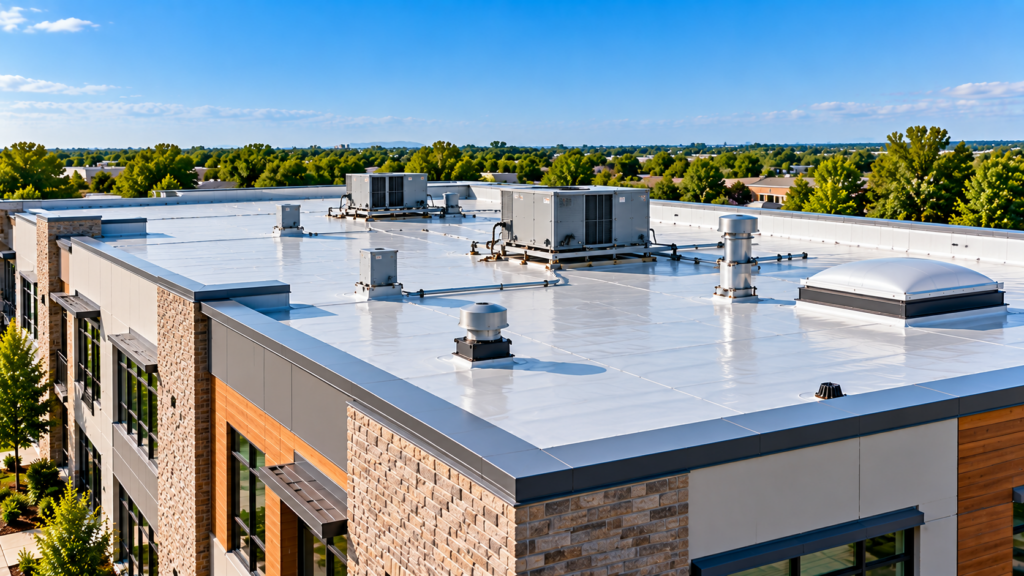
For an association, a single roof issue can turn into a budget question, a board question, a resident-communication issue, and a scheduling challenge within the same week. None of that is really about the shingles themselves. It is about giving management something concrete enough to keep those conversations moving in the same direction instead of working against each other.
That is why the assessment needs to be useful beyond the initial site visit. A property manager needs to understand what was found, a board needs enough information to evaluate the options, and residents may ultimately need to understand why work is or is not being recommended. Clear documentation gives each of those conversations the same starting point.
What the Board Actually Gets
A recommendation only holds up if the board can see the condition behind it. The assessment documents what was actually observed, not a general impression, and separates what looks urgent from what can reasonably be monitored. It lays out the repair-versus-larger-project tradeoff in plain terms instead of jumping straight to a dollar figure.
What We Plan Around on Shared Property
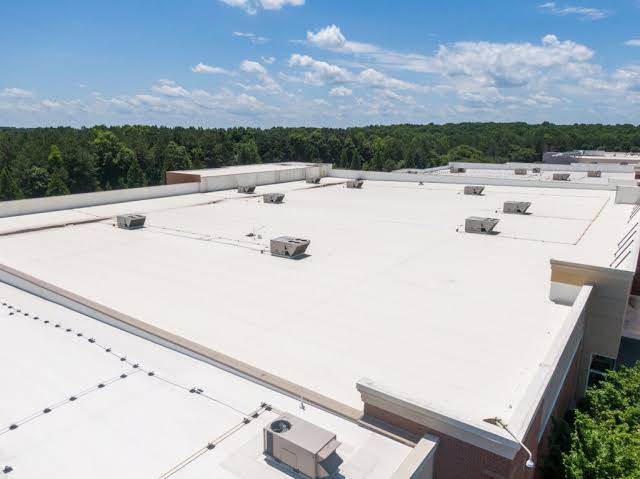
Exterior work on a shared property happens around people’s homes, not an empty lot. That means accounting for residents, vehicles, common areas, building access, and sequencing required when several buildings are involved.
Liberty’s association project planning can account for:
- Resident parking during the project: Equipment, material staging, and work areas need to be considered alongside the community’s existing parking requirements and resident access.
- Building access across multiple units: Crews may need to work around entrances, walkways, occupied units, and other access points that remain in use during construction.
- Common-area protection: Shared areas need to be considered as part of the work plan so roofing activity does not unnecessarily interfere with the portions of the property residents continue to use.
- Phased scheduling across multiple buildings: Multi-building communities may benefit from sequencing work so management can coordinate construction with residents and property operations.
- A cleanup standard built for occupied communities: Daily debris control, organized material storage, and equipment management are planned around residents continuing to use the property throughout the project.
Cedar, Composite, or Specialty Roofing
Some Chicagoland communities were built around a specific architectural look, and cedar shake is often part of that look. Liberty’s documented work includes:
- Cedar shake: Including aging or storm-damaged cedar where repair, replacement, or broader evaluation is required.
- Composite shake: An alternative considered by communities looking for a different roofing material while maintaining a shake-style appearance.
- DaVinci and other premium composite roofing systems: Options for associations considering a future material change while maintaining the architectural character of the existing property.
This gives associations the ability to evaluate roofing options that preserve the architectural character and long-term needs of the property.
A Simple Path Forward
A recommendation only holds up if the board can see the condition behind it. The assessment documents what was actually observed, not a general impression, and separates what looks urgent from what can reasonably be monitored. It lays out the repair-versus-larger-project tradeoff in plain terms instead of jumping straight to a dollar figure.
Where Liberty Stands Today
Liberty Restoration Group is GAF Certified and holds Illinois roofing license 104.017649. The company is a registered roofing contractor with Cook County and is BBB Accredited with an A+ rating. Liberty’s roofing work includes cedar, composite, and DaVinci and other premium composite installations, alongside gutter and siding capabilities for the same property.
Talk to a Cedar Roofing Contractor Who Understands Lakefront Properties
Whether your home sits directly on the water or back among the trees near Lake Zurich, your roof deserves a plan built around its actual exposure, not a generic recommendation copied from an inland project.
Our team will walk your property, assess how proximity to the water, tree cover, and wind direction are affecting your cedar roof, and give you a clear, written plan for repair, maintenance, or installation. We’ll also explain the reasoning behind that plan, so you understand exactly what you’re paying for and why.
Schedule a FREE Consultation
To make an appointment with Liberty Restoration Group, please fill out the form below, or contact us at our office.
Frequently Asked Questions
How is an association assessment different from a standard roofing estimate?
It can, if the roof isn’t maintained with the added humidity in mind. Cedar itself isn’t the problem — consistently damp conditions simply require more attentive upkeep than an inland roof needs, particularly around moss and moisture management.
Does the board need to commit to a project before requesting an assessment?
Yes, in many cases. Homes with more moisture exposure benefit from ventilation designs that help shakes dry out faster between rain events, which a cedar shake roofing contractor can assess and design during installation.
Can Liberty work directly with our property management company?
No, but it does change the maintenance schedule. Shaded, wooded lots typically need more frequent moss and debris checks than open, sun-exposed roofs, even though they see less direct sun damage overall.
What if only part of the property is showing problems?
Scheduling an inspection within a few days of a significant storm is a reasonable practice, since wind-driven damage near open water isn’t always visible from the ground and can worsen if left unaddressed.
Do you work with associations that include multiple buildings?
Yes, when handled by an experienced cedar shake roofing contractor using appropriate cleaning methods. Aggressive pressure washing can damage cedar, so proper moss removal relies on gentler techniques paired with treatments that slow regrowth.